Serving the Periodic Paralysis community for over 20 years
Welcome to the Periodic Paralysis International
Periodic Paralysis International is dedicated to advocacy and research for the
rare disease Primary Periodic Paralysis (all forms). To provide easy access to
current medical research as well as empowering and connecting affected
individuals and families around the world.
Shining a light on the rare, connecting voices worldwide
Be A Part Of The Action!
Join our global community by becoming a member of the PPI and receive newsletters, virtual support meeting invites, participate in researched based surveys and more!
Want to get even more involved? Or make a financial contribution? Learn how you can make an impact!
What is Periodic Paralysis?
Primary Periodic Paralysis is a group of rare genetic disorders characterized by recurring episodes of mild to extreme muscle weakness, stiffness, or paralysis. These episodes may vary from affecting a single limb to the entire body, and can last several minutes, hours, or days. What triggers an episode varies from patient to patient and may be caused by a variety of factors such as stress, eating certain foods, consuming alcohol, resting after exercise, sleep, becoming chilled or overheated. Symptoms of Periodic Paralysis can manifest at any age but most commonly begin during childhood or puberty.
There are four different forms of Periodic Paralysis all involving defects in ion channels. Ion channels are gateways that let charged minerals (ions) such as sodium and potassium flow into and out of your muscle cells. This flow of ions is a central part of what makes our muscles work. In Periodic Paralysis the ion channels have flaws, flow is disrupted, causing an imbalance. The muscle cells then fail to contract or relax in response to the nerve signals.
The Four Types of Periodic Paralysis:
- Hypokalemic Periodic Paralysis
- Hyperkalemic Periodic Paralysis
- Anderson-Tawil Syndrome
- Thyrotoxic Periodic Paralysis
Explore How can We Help You

Diagnosing Periodic Paralysis
Where do I begin and what’s my next step?
.

Managing Periodic Paralysis
For patients and caregivers looking for treatment, support, and additional resources.

FAQ’s and Ask the Experts
Find answers to many of your questions. Link provided with permission from source.
Let’s Connect
Find others who are also affected by PP near you or abroad who understand your challenges and can empathize with your experiences. Share journeys and gain insights from others going through similar circumstances.
Social Media Groups
We invite you to join our social media groups. Find us on Facebook, Twitter and Instagram.
In Person International Conferences
Our goal is to expand beyond the USA by hosting conferences in other countries. These in-person events are a wonderful opportunity to share your experiences, make lasting friendships, and find comfort in knowing you are not alone in this journey. Your PPI team is diligently working to secure funding for this much needed and very valuable service to the PP community worldwide.
Virtual Support Group sessions
Have you wanted to join a live Periodic Paralysis virtual support meeting or webinar but live outside the USA time zones? We will be offering virtual sessions that cater to countries outside the USA times zones, ensuring that everyone can participate regardless of their locations. These events provide excellent opportunities to connect with other members, stay updated on the latest information from experts specializing in Periodic Paralysis, and hear insights from Rare Disease Advocates. We value your input, so please feel free to email us and let us know which topics are important to you. We welcome your suggestions for discussion and sharing within our community.

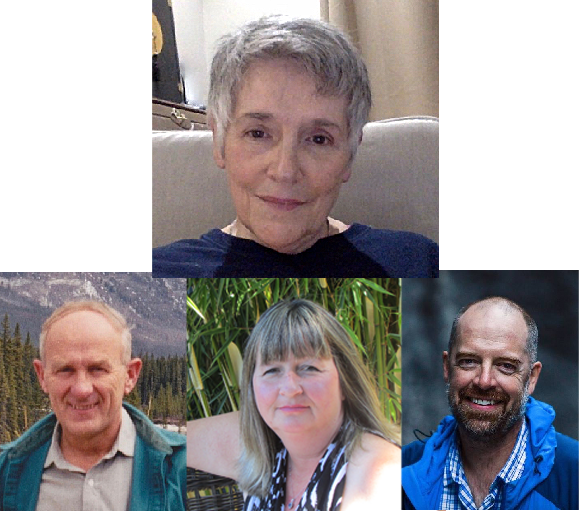
Honoring our founders
the Greant Family, Tina Stark, and the late Don Anderson
Without the lifelong dedication of Deb and Ian Greant as well as Tina Stark and the Late Don Anderson, the Periodic Paralysis International along with and the creation of HKPP.org would not have existed. Their countless hours of research working closely with the late Dr. Frank Lehmann-Horn over the years generated a wealth of the documentation resources made available to the public. Their invaluable work not only advanced research efforts but also improved understanding of this rare and often misunderstood group of diseases. Their relentless pursuit of answers and dedication to providing support to a community of people often shunned has earned them a place as pioneers in the field of Periodic Paralysis.
The Periodic Paralysis International will forever be grateful.
Website sponsored in part by:

Commentary
Periodic Paralysis Patient Spotlight
Every quarter we will feature three patients affected by PP. Sharing can be in the form of a short story, poem, artwork, or video. Not only will help us to spread awareness but it can also help others to know they are not alone. Please feel free to contact us if you would like to share your story.
Read More

Read More

Read More

Contact Us
We value your input.
Is there something of interest you would like to see featured on the website? Have an idea for a webinar or topic you would like featured during an online support meeting? Send us a message, we would love to hear from you!